
Innovative AV and Managed IT Solutions
Transform your business with technology
AV vs IT: Why Your Business Needs Both to Work Together in 2025
The lines between audiovisual and information technology have blurred beyond recognition. What once were separate departments with distinct budgets and responsibilities have evolved into interconnected systems that must work in harmony to drive business success.
We're seeing organizations struggle with this convergence every day. IT teams are being asked to support AV equipment they don't understand, while AV specialists are wrestling with network protocols and cybersecurity concerns. Meanwhile, businesses are missing out on the transformative potential of truly integrated technology ecosystems.
The reality is clear: in 2025, your business can't afford to treat AV and IT as separate entities. The organizations that thrive will be those that embrace the convergence and harness the combined power of both disciplines.
### Understanding the Traditional Divide
Historically, IT focused on data management, network infrastructure, and business applications. The IT department kept servers running, managed user accounts, and ensured cybersecurity protocols were followed. Their world revolved around databases, cloud services, and productivity software.
AV lived in a different realm entirely. Audio systems, video displays, conferencing equipment, and digital signage operated on standalone networks with dedicated hardware. AV professionals worried about signal quality, room acoustics, and presentation technology.
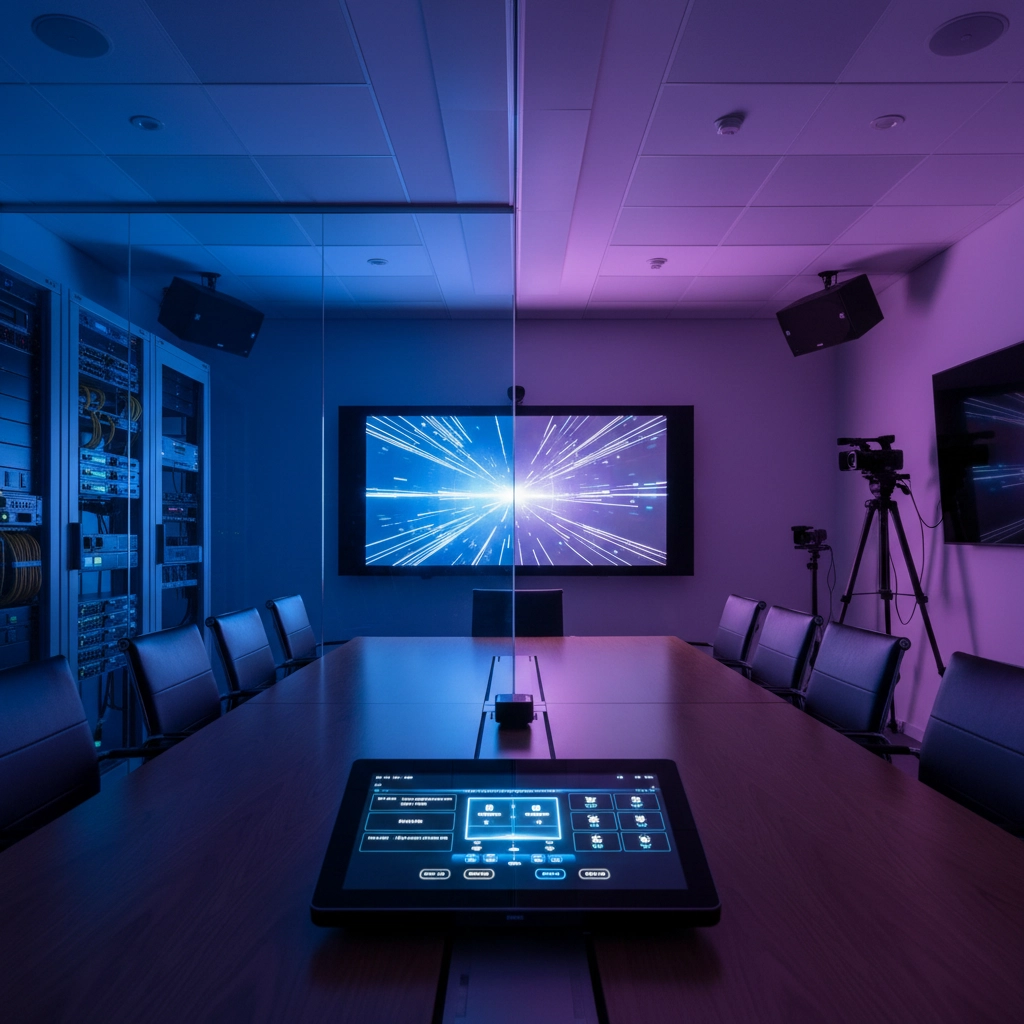
This separation made sense when AV systems were largely analog and operated independently. But those days are gone. Modern AV systems are IP-based, network-dependent, and increasingly software-driven. They require the same network infrastructure, security protocols, and management oversight as traditional IT systems.
### The Business Case for Integration
We've worked with countless organizations that continued operating with siloed AV and IT departments. The results are always the same: inefficiency, frustration, and missed opportunities.
Consider a typical scenario: your conference room video system goes down during a critical client presentation. The IT team says it's an AV issue. The AV vendor says it's a network problem. Meanwhile, your presentation is derailed, and your client is questioning your professionalism.
This isn't just about technical problems. It's about business outcomes. When AV and IT work together seamlessly, meetings start on time, presentations flow smoothly, and your organization projects competence and reliability.
Integration also delivers measurable cost benefits. Unified management reduces the need for duplicate systems and specialized support contracts. When your IT team can monitor and troubleshoot AV equipment alongside other network devices, you eliminate redundant resources and streamline operations.
### Key Benefits of Unified AV and IT
Streamlined Operations and Management
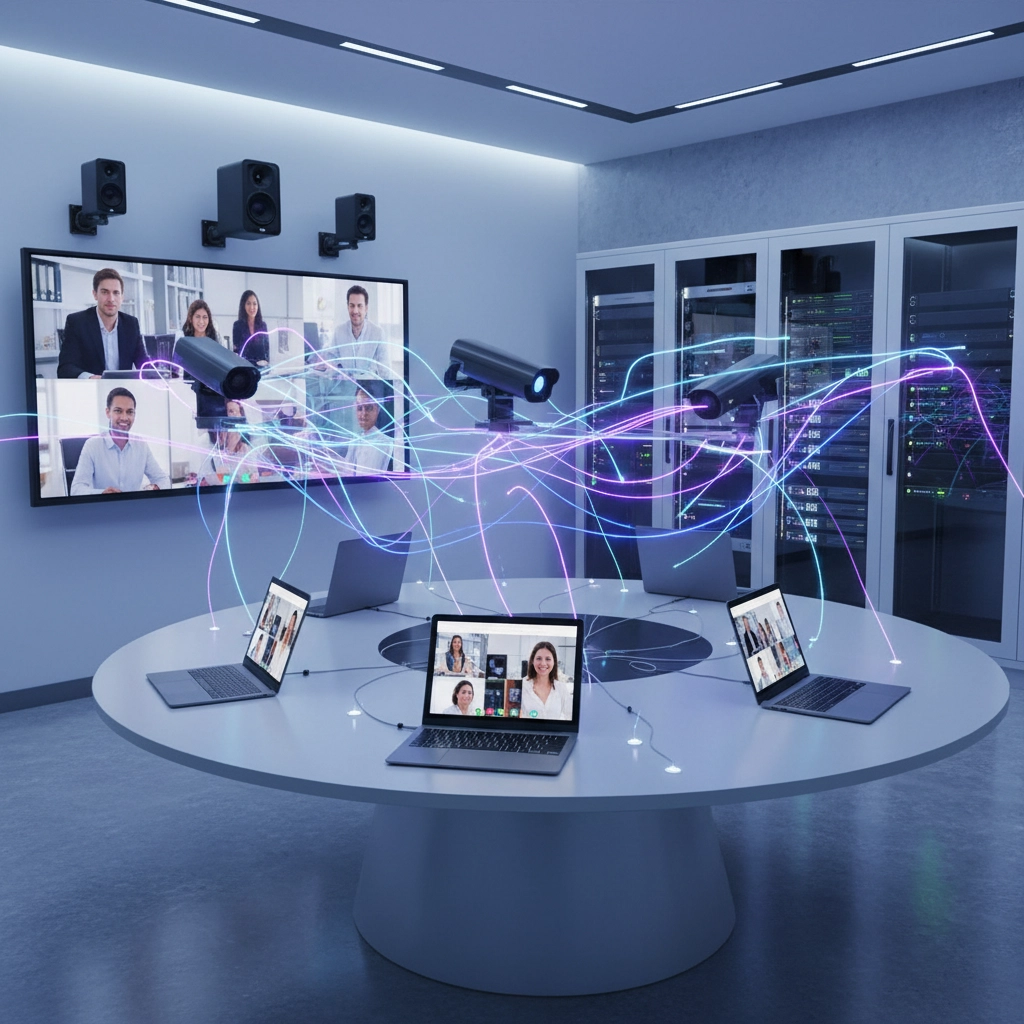
When we integrate AV and IT systems, organizations gain centralized control over their entire technology ecosystem. Your IT team can monitor video conferencing systems, digital displays, and audio equipment from the same dashboard they use for servers and switches.
This unified approach eliminates the confusion and finger-pointing that occurs when systems fail. One team, one management platform, one clear path to resolution.
Enhanced Security Posture
AV systems connected to your network represent potential security vulnerabilities. When these systems are properly integrated with your IT infrastructure, they benefit from the same security protocols, access controls, and monitoring that protect your other digital assets.
We help organizations implement comprehensive security strategies that encompass all networked devices, not just traditional computing equipment. This holistic approach significantly reduces your attack surface and ensures compliance with industry regulations.
Improved User Experience
Nothing frustrates employees more than walking into a conference room and spending the first ten minutes of a meeting trying to get the technology working. Integrated systems eliminate these friction points.
When AV and IT work together, users enjoy seamless experiences. They can join video calls with a single touch, share content effortlessly, and focus on productive collaboration rather than technical troubleshooting.
### 2025 Technology Trends Driving Integration
The technology landscape continues to evolve at breakneck speed, and these changes are making AV-IT integration not just beneficial, but essential.
Cloud-Based Everything
AV systems are increasingly cloud-dependent. Video conferencing, digital signage management, and room booking systems all rely on cloud services. Your IT team's expertise in cloud architecture and security becomes crucial for AV system performance.
AI and Analytics Integration
Modern AV systems generate vast amounts of data about room utilization, system performance, and user behavior. This data becomes valuable business intelligence when properly integrated with your IT analytics platforms.
IoT and Smart Building Technologies
The Internet of Things is transforming how buildings operate. Lighting, climate control, and AV systems are becoming interconnected components of intelligent environments. This convergence requires unified management and expertise that spans both domains.
Hybrid Work Requirements
The shift to hybrid work models has placed new demands on AV technology. Employees need seamless experiences whether they're working from home, the office, or a client site. This requires sophisticated integration between collaboration platforms, network infrastructure, and presentation technology.
### Overcoming Integration Challenges
We understand that merging traditionally separate departments and systems isn't simple. Organizations face legitimate concerns about skill gaps, budget allocation, and change management.
The key is approaching integration strategically rather than attempting wholesale reorganization overnight. We work with organizations to develop phased integration plans that respect existing expertise while building new collaborative capabilities.
Training plays a crucial role in successful integration. Your IT team needs to understand AV system requirements, while AV specialists must grasp network protocols and security considerations. Cross-training initiatives create the hybrid skill sets necessary for effective collaboration.
Budget considerations also require careful attention. Rather than simply merging AV and IT budgets, successful organizations develop integrated planning processes that ensure both disciplines receive appropriate resources while eliminating redundant expenses.
### How We Help Organizations Bridge the Gap
At Commedia, we've guided numerous organizations through successful AV-IT integration projects. Our approach combines deep technical expertise with practical business understanding.
We start by assessing your current AV and IT infrastructure to identify integration opportunities and potential challenges. This comprehensive evaluation reveals where unified approaches can deliver immediate benefits and where longer-term strategic planning is needed.
Our team includes professionals with expertise spanning both domains. We understand the technical requirements of modern AV systems and the operational demands of enterprise IT environments. This dual perspective enables us to design solutions that work for both teams and deliver superior business outcomes.
We also provide the training and change management support necessary for successful integration. Technical competence alone isn't enough – organizational alignment and cultural change are equally important for long-term success.
### The Path Forward
The convergence of AV and IT isn't a future trend – it's today's reality. Organizations that continue operating with separate, disconnected systems will find themselves at an increasing disadvantage.
Modern business requires technology that works seamlessly together. Your clients expect flawless presentations and smooth video conferences. Your employees need tools that enhance rather than hinder their productivity. Your organization needs technology infrastructure that supports growth and innovation.
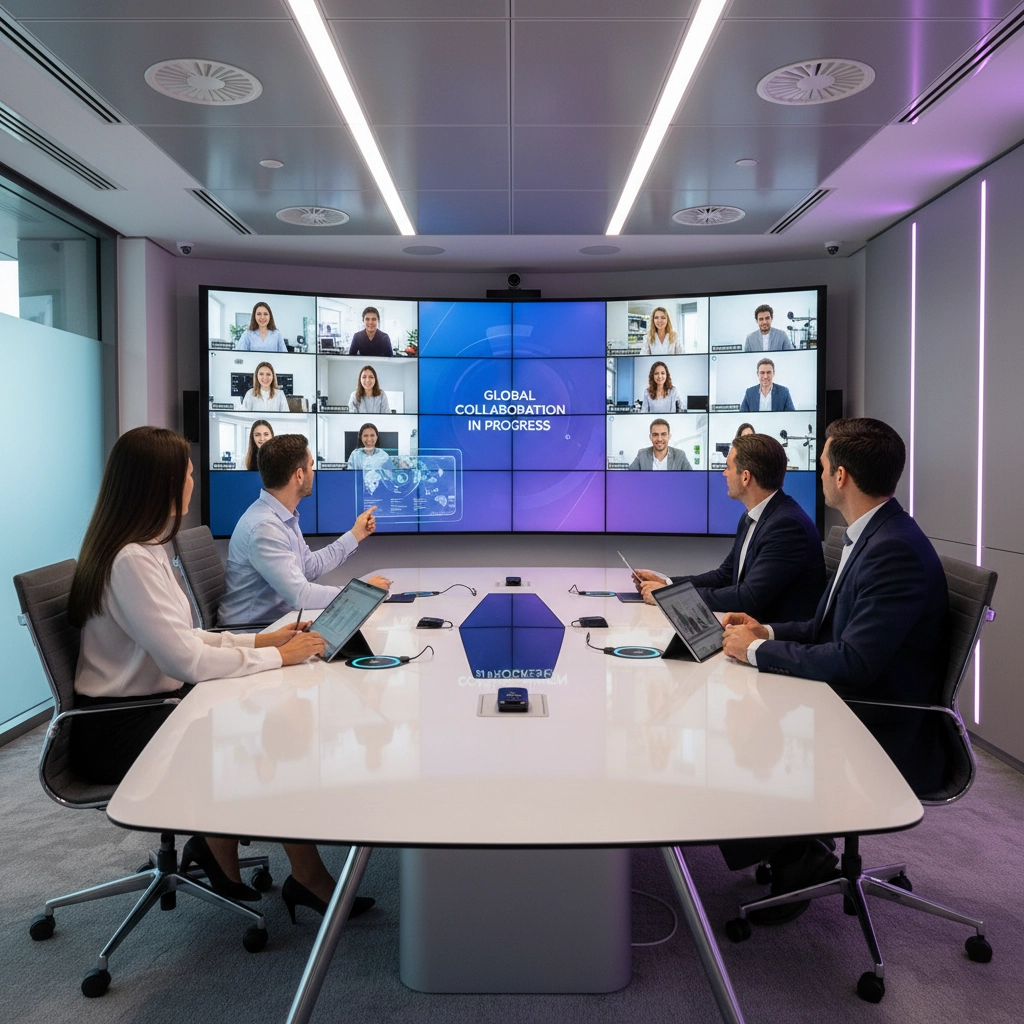
The solution isn't choosing between AV and IT – it's ensuring they work together as integrated components of a unified technology ecosystem. When properly implemented, this integration delivers superior user experiences, enhanced security, reduced costs, and competitive advantages that compound over time.
Don't let technological silos hold your organization back. The businesses that thrive in 2025 and beyond will be those that embrace the convergence and harness the combined power of integrated AV and IT systems.
Ready to explore how integrated AV and IT can transform your organization? Contact us to start or Get-your-Free-System-Evaluation for a comprehensive evaluation of your current systems and a roadmap for successful integration. Let us help you build the technology foundation your business needs to succeed.
Ready to strengthen your signal and serve your audience with confidence?